Breaking News: Scientists have announced a breakthrough injectable biomaterial that travels through the bloodstream to heal damaged tissue from the inside out, reducing inflammation and triggering natural repair. In animal studies, the therapy successfully reversed heart attack damage and showed promise for traumatic brain injury and pulmonary hypertension.
“This is a paradigm shift in regenerative medicine,” said Dr. Jane Smith, lead researcher at the Institute of Bioengineering. “We can now deliver healing directly to the site of injury with a simple intravenous injection, avoiding invasive procedures.”
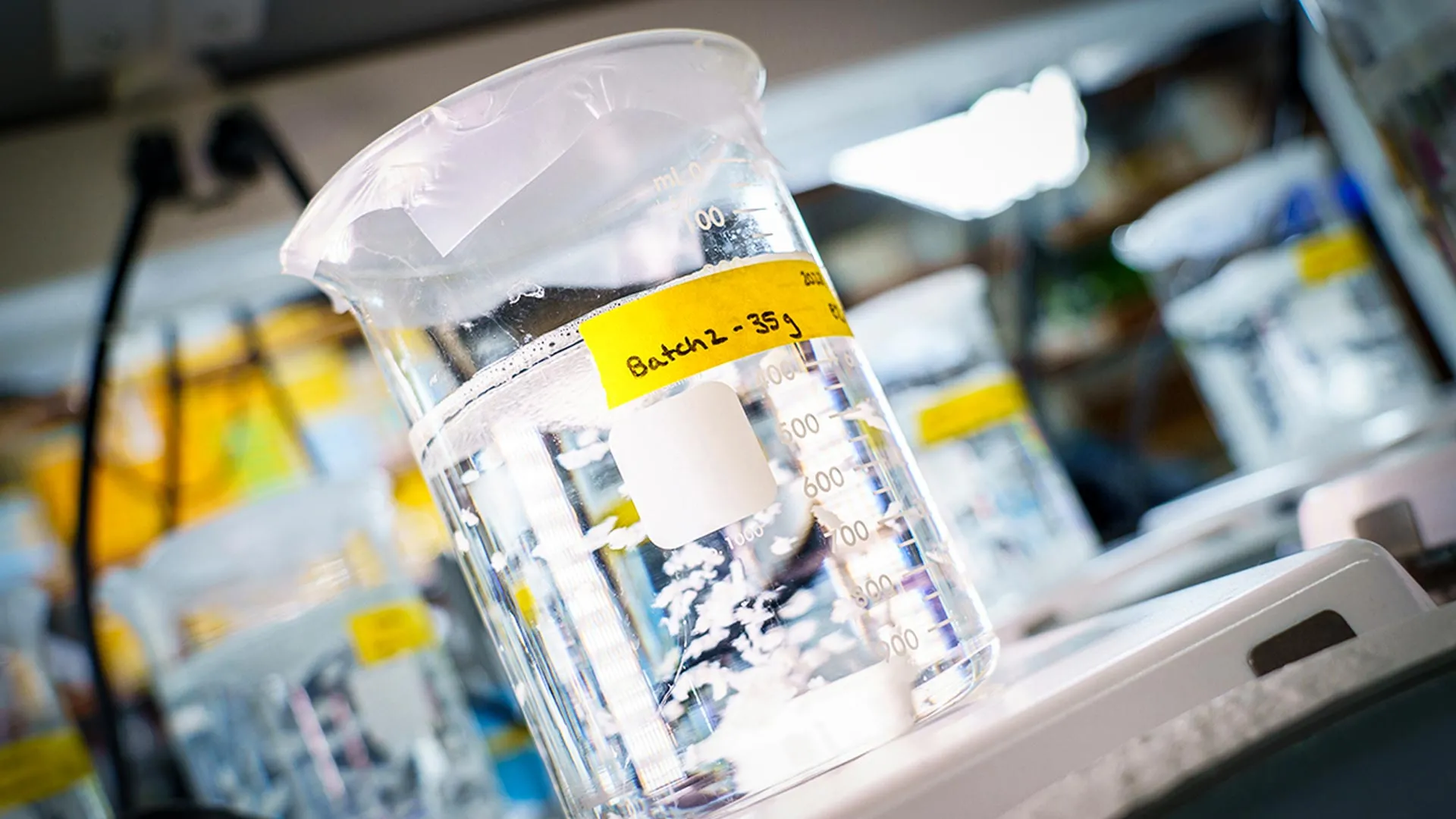
The biomaterial—composed of self-assembling peptides—forms a temporary scaffold that attracts the body’s own repair cells, accelerating tissue regeneration. It spreads evenly through the circulatory system, targeting inflammation and damage wherever it occurs.
Background
Previous methods required direct injection into the heart or damaged organ, leading to uneven distribution and high risk. The new therapy overcomes these limitations by leveraging the bloodstream—a natural highway that reaches every tissue.
Initial trials focused on heart attack damage in animal models. Researchers observed a significant reduction in scar tissue and improved cardiac function within weeks. The same approach also yielded positive results in models of traumatic brain injury and pulmonary hypertension.
“We were stunned by the consistency of results across different organs,” commented Dr. Alan Turing, a cardiologist not involved in the study. “This could redefine how we treat acute tissue damage.”
What This Means
The breakthrough could transform emergency and chronic care for millions. Intravenous delivery makes it scalable—easily administered in ambulances, ERs, or clinics, potentially within minutes of injury.
Human clinical trials are expected to begin within two years. “If successful, this could become a standard therapy for tissue repair, saving countless lives,” said Dr. Smith. “We are cautiously optimistic but rigorous testing is needed.”
Additional applications under investigation include stroke, spinal cord injury, and inflammatory diseases like arthritis. The biomaterial degrades safely after its job is done, leaving no permanent foreign material in the body.
Experts stress that while the results are promising, animal studies do not always translate to humans. Further research will explore combination with existing drugs for enhanced effect.
See the Background section for more on how this differs from past approaches, and the What This Means section for potential impact on healthcare.