Breaking: Inexpensive Solar Modules Get Wireless Upgrade
A new DIY project proves that low-cost solar lights can be turned into versatile smart devices with minimal effort. By adding a simple radio module and microcontroller, off-the-shelf landscape lights gain on-demand control and IoT connectivity.
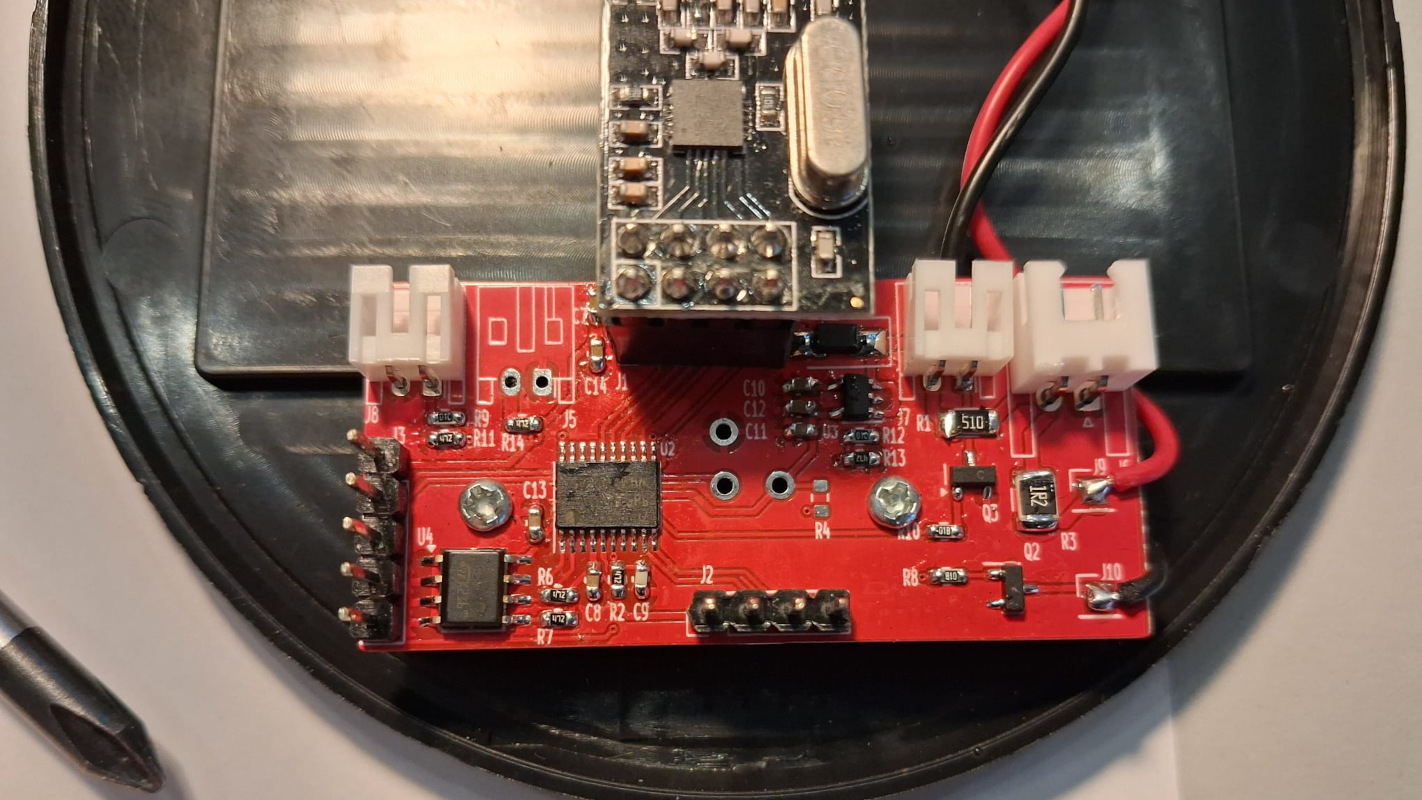
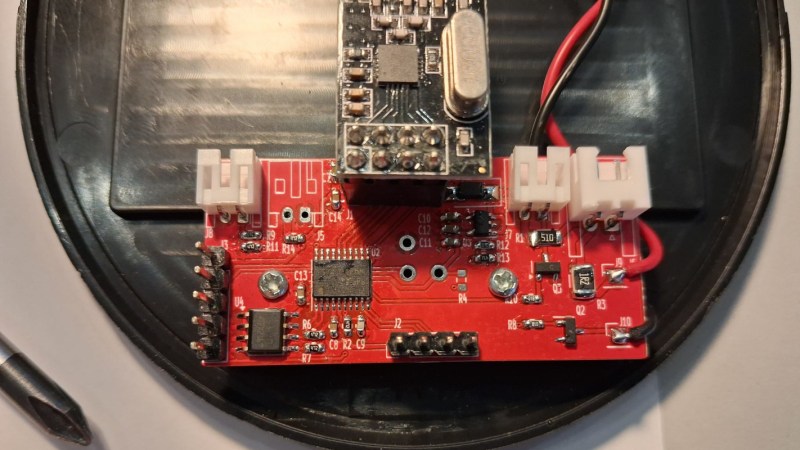
The hack, created by maker [Mauro], adds an NRF24L01+ wireless radio and an STM32 microcontroller inside a standard motion-activated solar light. The secondary system is electrically separate from the original circuit except for the solar panel power and light-switching ability.
“This is a gateway to adding all kinds of features to devices that already have solar panels and empty case space,” [Mauro] said. “I wanted on-demand lighting, but the same approach can host a Meshtastic node or a plant sensor.”
Background: Cheap Solar Alters Small-Device Power
Solar power has become so inexpensive that putting panels on small devices is often the cheapest way to power them. Landscape lights that once required buried 12V or 24V wiring are now sold as standalone solar units – but most lack user-controlled features.
Common solar lights only offer motion activation or simple dusk-to-dawn operation. Adding wireless control typically requires replacing the entire unit or running custom wiring, which defeats the simplicity of solar.
Mauro’s modification keeps the original solar panel, battery, and light output, while adding a completely separate microcontroller and radio. The two systems share only power and the light-switching signal.
What This Means: Solar-Powered IoT Becomes Feasible
Any solar light with ample internal space can now become a stealthy node for smart home automation. The same technique could integrate a Meshtastic mesh network transmitter, a gate sensor, or even a plant-moisture monitor – all powered by the sun.
For home automation users, Mauro created a small library that communicates with platforms like Home Assistant. This allows existing solar lights to respond to voice commands, schedules, or sensors without replacing the entire fixture.
The project also demonstrates how cheap, readily available components can bridge the gap between simple solar gadgets and fully featured IoT devices. This could accelerate the adoption of solar-powered sensors in gardens, campuses, and remote monitoring setups.
“We’re seeing the same trend in bulk electricity – solar is simply the cheapest option,” said an industry analyst not involved in the project. “Now small devices are following suit, and hacks like this prove the hardware is ready.”
As solar panel costs continue to fall, adding intelligence to already cheap modules will likely become a standard practice. Mauro’s work provides a blueprint for anyone wanting to extend the capabilities of their landscape lighting at minimal expense.